HealGrief

Deaths the World Doesn’t Know How to Talk About

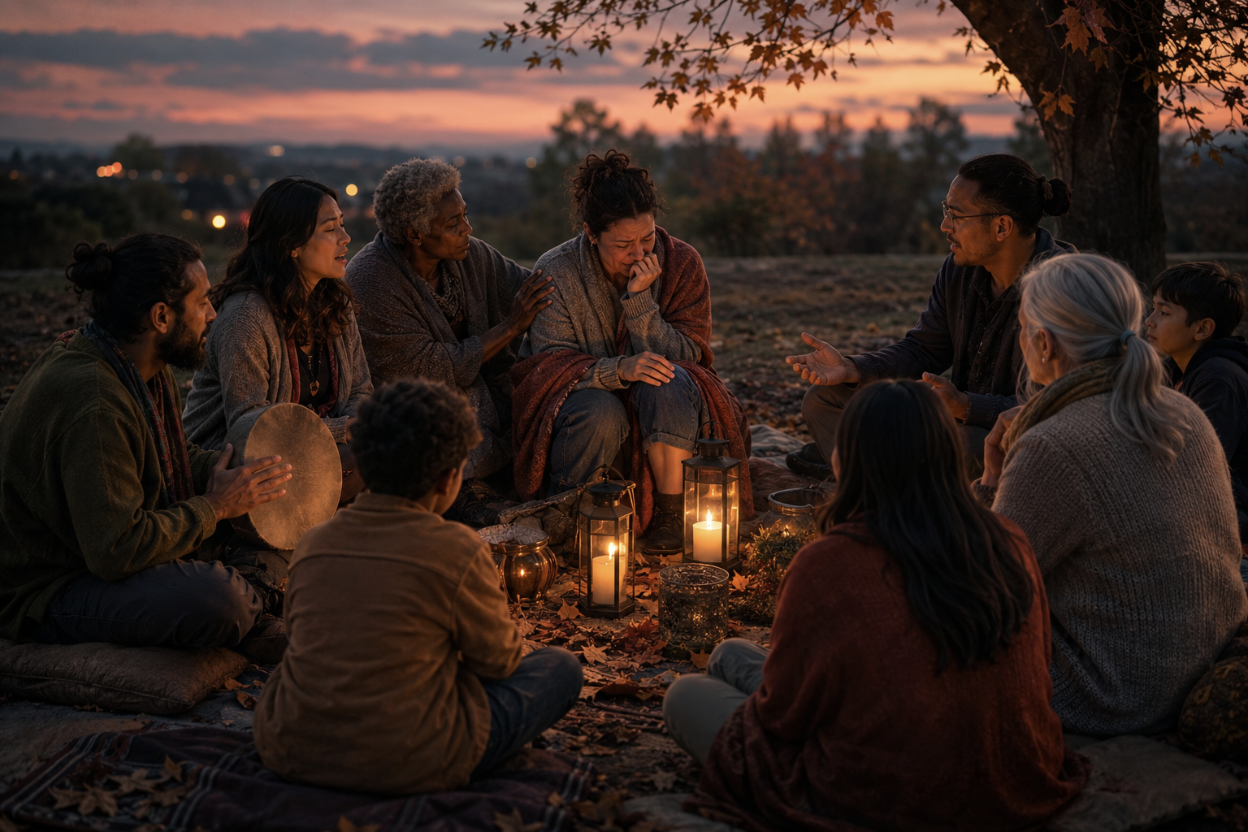
September is Suicide Prevention Month, and September 10 is World Suicide Prevention Day. Most conversations this month will focus on prevention, and that matters. But today, we’d like to make space for something else… for the people whose person died by suicide. Because when the awareness campaigns end, and everyone moves on, you’re still living with a grief that doesn’t simply disappear.

Grief after suicide can feel different. Not because your grief is somehow “more” than anyone else’s, but because it often comes with questions that have no satisfying answers. Why? Could I have done something? Did they know how much they meant to me? Did I miss the signs? These questions can replay over and over, even years later. You may feel heartbreak, anger, confusion, guilt, relief that their pain has ended, or all of those emotions in the same day. All of those feelings are normal. It’s what makes us human.

One of the hardest parts of suicide loss is how uncomfortable it makes other people. Friends may avoid bringing up your person because they’re afraid of saying the wrong thing. Family members may avoid talking about how they died altogether. Some people search for explanations or try to offer simple answers to something that isn’t simple. Others disappear because they don’t know what to say. The silence that follows can become another kind of grief.

But your person was never defined by the way they died. They had a story long before that moment. They laughed, made people smile, had favorite foods and songs, dreams, flaws, routines, inside jokes, and people they cared about. Their life deserves to be remembered in its entirety… not reduced to the circumstances of their death. Honoring your person means remembering all of who they were, not just how they died.

If this day feels especially heavy, you don’t have to force yourself to be okay. There isn’t a checklist for honoring your person or for surviving today. You can say their name out loud. You can look through old photos or listen to a song that reminds you of them. Maybe you write them a letter. Maybe you simply cry. Or maybe today you make it through the day, and that’s enough. Grief doesn’t ask us to perform. It asks us to keep showing up, one moment at a time.

If guilt has become something you carry every day, we hope you’ll remember this: loving someone does not make us all-knowing. You can love your person with everything you have and still not know the depth of what they were carrying. You can replay conversations, wonder about different choices, and wish for one more chance without ever finding the answers you’re searching for. Those questions are born from love, not failure.

This month, we remember the people who died by suicide. We honor the lives they lived, the relationships they built, and the impact they continue to have on those who love them. And to anyone bereaved: your grief deserves space. It deserves compassion. It deserves to be spoken about without shame or judgment. Most of all, it deserves a community where you don’t have to explain why today feels heavy. We’re honored to hold that space with you.

____________________________________________________________________________

Looking for connection beyond this article?

The new Actively Moving Forward® app is now available. Download the app, log in using your existing HealGrief® email, and access your groups and community with a refreshed experience — 24/7.

Community is just a tap away. 💙


Grief Doesn’t End. It Changes.

In honor of National Grief Awareness Day

People often expect grief to follow a timeline.

A few days.
A few months.
Maybe a year.

Then, somehow, they expect life to return to “normal.”

But if you’ve experienced the death of your person, you know grief doesn’t work that way.

Grief isn’t just crying after the funeral.

It’s instinctively reaching for your phone to text them before remembering you can’t.

It’s hearing someone laugh in a way that sounds just like them.

It’s wondering what advice they’d give you today.

It’s celebrating a promotion, a birthday, or a new grandchild while quietly wishing they were here to witness it too.

It’s realizing years have passed, yet one familiar smell, one song, or one ordinary Tuesday can bring you right back to the moment everything changed.

Grief doesn’t mean you’re stuck.

It doesn’t mean you’re “not moving on.”

It means your relationship with your person continues, even though they died.

Over time, grief changes shape.

Some days it whispers.
Some days it crashes over you without warning.
Some days it’s woven so gently into your life that you almost don’t notice it’s there—until you do.

And that’s okay.

Healing isn’t about leaving your person behind.

It’s about learning how to carry both love and sorrow together.

In honor of National Grief Awareness Day, may we remember that grief isn’t something to fix, rush, or compare.

It’s a reflection of love.

If you’re grieving today, whatever your grief looks like is enough.

You don’t have to explain it.
You don’t have to justify it.
And you certainly don’t have to “be over it.”

Your grief is part of your story because your person will always be part of your story.

____________________________________________________________________________

Looking for connection beyond this article?

The new Actively Moving Forward® app is now available. Download the app, log in using your existing HealGrief® email, and access your groups and community with a refreshed experience — 24/7.

Community is just a tap away. 💙

Remembering the Children

Remembering the Children Who Should Be Here

There is a grief unlike any other—the grief that follows the death of a child.

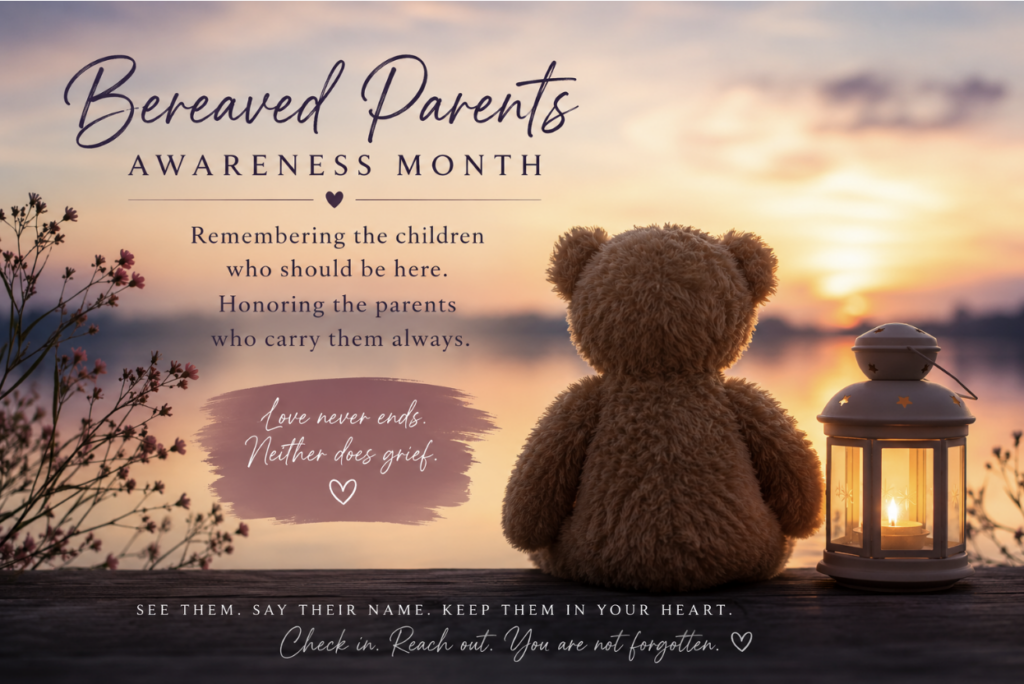
This July, during Bereaved Parents Awareness Month, we pause to recognize the millions of parents who carry this grief every day. Some are grieving children who died as teenagers or adults. Others are grieving babies who died during pregnancy, at birth, or shortly thereafter—babies they never had the opportunity to watch grow, hear laugh, or celebrate birthdays with.

No matter how old a child was when they died, no matter how much time has passed, the love remains.

What many people don’t realize is that bereaved parents don’t just grieve the child who died. They also grieve the future that was supposed to unfold.

They grieve the birthdays that will never be celebrated.

The graduations.

The first jobs.

The weddings.

The grandchildren.

The ordinary moments they imagined and looked forward to.

For parents whose babies died before or shortly after birth, there can be an additional layer of heartache. Society sometimes struggles to acknowledge a life that was so brief. Yet that child was loved, dreamed about, and cherished long before they took their first breath. The length of a life does not determine the depth of a parent’s love.

Bereaved parents often carry silent reminders with them everywhere they go.

A child who would have been entering kindergarten this year.

A teenager who should be learning to drive.

A son who would be celebrating his 30th birthday.

A daughter who should be bringing her own children to family gatherings.

Sometimes the most difficult moments arrive unexpectedly. A back-to-school commercial. A family photo on social media. Seeing children who are the same age their child would be today.

While the world keeps moving forward, many parents are quietly marking milestones and wondering who their child would have become.

One of the greatest misconceptions about grief is that it has an expiration date.

The truth is that grief changes over time, but it does not disappear.

Many bereaved parents will tell you that what hurts most is not when people remember their child. It’s when people stop mentioning them altogether.

They worry their child’s name will no longer be spoken.

That their life will be forgotten.

That the impact they made, no matter how brief, will fade from memory.

This month, we invite everyone to remember that support does not have a timeline.

If you know a bereaved parent:

Say their child’s name.

Acknowledge birthdays, anniversaries, and meaningful dates.

Send a message, even years later.

Invite them to share memories if they wish.

Let them know their child is still remembered.

A simple text that says, “I was thinking about your daughter today,” or “I remembered your son and wanted you to know he came to mind,” can mean more than you may ever realize.

You are not reminding them that their child died.

They already know.

You are reminding them that their child mattered.

Bereaved Parents Awareness Month is about more than recognizing grief. It is about recognizing enduring love.

Because the bond between a parent and child does not end with death.

This July, may we honor the children who are deeply loved and deeply missed, support the parents who carry them in their hearts every day, and create space for conversations that remind grieving families they are not alone.

If you know a bereaved parent, consider reaching out today. One message. One memory. One acknowledgment.

Sometimes the greatest gift we can give is letting someone know that their child is still remembered.

If you know a bereaved parent, consider reaching out today. One message, one memory, one acknowledgment can remind them that both they and their child are still remembered. ❤️

____________________________________________________________________________


Looking for connection beyond this article?


The new Actively Moving Forward® app is now available. Download the app, log in using your existing HealGrief® email, and access your groups and community with a refreshed experience — 24/7.


Community is just a tap away. 💙

Year Two

No One Told Me Year Two Might Feel Like This   There’s a quiet shift that can happen after the […]

The Empty Chair

  I set the table again this year. The same way I always do. Plates. Glasses. Napkins folded just so— […]