


Memories Live in Food
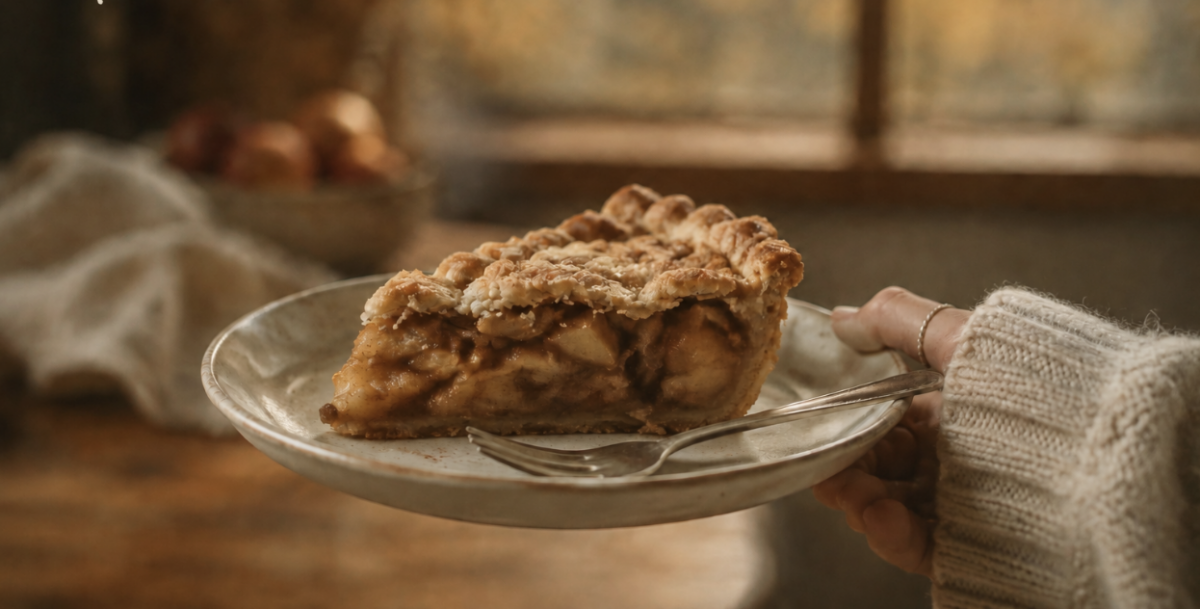
Sometimes remembrance does not look like visiting a grave or looking through photographs.
Sometimes it smells like cinnamon, tastes like Sunday dinner, or lives on a stained recipe card in handwriting you would recognize anywhere.
Some memories live in the food we share.
One familiar smell can return us to a kitchen as it once was. A recipe can remind us not only of what our person made, but how they made it—the shortcuts they took, the mess they left, or the ingredient they never measured.
When our person dies, food can become one of the places where grief finds us.
Across cultures, food has long been part of mourning. People bring meals to grieving families, gather after funerals, prepare certain dishes on death anniversaries, or leave food as an offering.
The traditions differ, but the message is often the same: someone we love has died, and no one should have to carry what comes next alone.
The Empty Seat
November can bring food, family, and tradition into sharper focus. But grief can make the table feel painfully different.
There may be an empty chair. A recipe no one else knows how to make. A moment when someone says, “This was their favorite,” and the whole room changes.
Or perhaps no one mentions your person at all—and that silence hurts, too.
You may want to preserve every tradition exactly as it was. You may want to change everything because “the usual way” feels unbearable. You may want company, or you may want takeout alone.
There is no correct way to set a table after someone who belonged there has died.
What If We Fed Our Grief?
We often talk about carrying grief or working through it. But what if, sometimes, we fed it?
That might mean making your person’s favorite meal, ordering from the restaurant they loved, or teaching someone else a family recipe.
It might mean writing down more than the ingredients: who made it, what the kitchen smelled like, the step they always skipped, and the stories that made the food matter.
Or feeding your grief might simply mean eating something—anything—when cooking feels impossible.
Taking care of your body is not a betrayal. Enjoying a meal does not mean you have forgotten that your person died. It means you are still here.
This November, you do not have to choose between gratitude and grief. They can sit at the same table.
You can laugh during dinner and cry while washing the dishes. You can feel thankful for the time you had and angry that there was not more. You can continue a tradition, change it, or let it go.
So make the recipe—or don’t.
Light a candle. Tell the story. Order the takeout. Leave the table early if you need to.
And if a familiar taste or smell makes your person feel close for just a moment, let it.
Some memories live in the food we share.
Sometimes, it helps us remember, too.
Whatever this season brings to your table, you do not have to face it alone.
The holidays can feel especially isolating after your person dies. On HealGrief’s® AMF App, you can share memories, speak honestly about the season, or simply connect with people who understand.
Register to join HealGrief’s® AMF App, where community is available 24/7—right in your pocket.
What Does Your Grief Need Us to Hear?

Every October, death comes out of hiding.
Skeletons sit on porches. Ghosts hang from trees. Gravestones appear in front yards. We dress like the dead, laugh about death, and invite it to the party.
But when death is real—when your person has actually died—people suddenly become uncomfortable.
They lower their voices. Avoid saying your person’s name. Change the subject. They worry that mentioning the death will remind you, as though you could ever forget.
So you learn to make your grief smaller.
You say, “I’m okay,” because telling the truth feels exhausting. You cry in the car before walking into work. You leave the gathering before anyone notices. You learn who can handle your honesty—and who needs your grief to be quieter.
But grief is not quiet.
It can be angry, messy, tender, repetitive, and inconvenient. It can make you want to scream. It can also leave you with no words at all. Neither response requires an apology.
The expectation that grief should remain private is not universal. Across cultures, mourning has long included wailing, singing, drumming, dancing, storytelling, and public processions. Grief was something the community could see and hear. The pain belonged to the grieving person, but they were not expected to carry it alone.
There is something powerful about grief being witnessed.
Not fixed. Not analyzed. Not rushed.
Witnessed.
That is what makes October feel so strange. We make room for imaginary ghosts, but often struggle to make room for real grief.
October also stands at the edge of a difficult season. Soon there will be gatherings, traditions, familiar recipes, and empty chairs.
Your body may feel it before your calendar does.
You may feel more anxious, tired, or disconnected. That does not mean you are going backward. It means the year is moving through places that hold meaning.
You are allowed to change traditions, decline invitations, leave early, or create something entirely new. You are also allowed to laugh and enjoy yourself. Joy does not betray your person or erase the fact that they died.
Giving grief a voice does not mean telling everyone everything. It might mean telling one trusted person the truth. Writing your person a letter. Crying without apologizing. Saying their name when others avoid it.
The goal is not to grieve loudly.
The goal is to grieve honestly.
Your person died. That truth changed your life. You are allowed to speak about what came after.
This October, let’s make room for something more real than ghosts: the names, stories, tears, laughter, and memories grief carries.
And if you love someone who is grieving, you do not need the right words. You only need to be willing to hear theirs. Send this to someone who wants to help but isn’t sure how.
Instead of asking grieving people to lower their voices, let’s ask:
What does your grief need us to hear?
You do not have to carry your grief quietly or alone. The AMF app offers a community where you can talk about your person, share what you are experiencing, or simply listen until you feel ready.
Register to join HealGrief’s® AMF App—a community available 24/7, right in your pocket.